
I thought I would provide an overview here of how the comics universes work for the Big Two publishing powerhouses.
Marvel Comics (jump to DC comics)
Marvel comics are the ones that I first read and consistently collected as a kid – as back then (early 1980s) they were the most popular publisher. It was an investment to get to understand that one comic universe (and eventually Multiverse, see below), and all I could afford (outside of the odd DC issue or series). Under the leadership of Jack Kirby and Stan Lee, Marvel had pioneered the development of a more naturalistic style in the Silver age, helping drive the popularity of superhero comics into the more progressive Bronze and Copper ages (when I was reading). See my Comics page for an explanation of those time periods.
In this section, I will give you an overview of how the Marvel comic and cinematic Universes function, which tie into the history of Marvel as a company and comic books as an industry. I will then provide a briefing introduction to DC comics. Note that I will be branching out into the comics of other publishers over time on this site.
As I explain on my Comics page, comic books entered a period of rapid expansion in the 1970s and early 1980s – that led to a bubble with the rise of speculative “investing” in the hopes of future price increases. That bubble finally burst by the mid 1990s – by which point, comics had disappeared from the public eye, and were available solely in specialized comic book stores (which had both contributed to and benefited from the investment craze).
Marvel nearly went out of business at this point (they had entered bankruptcy protection at the end of 1996). The big screen proved to be salvation for Marvel, but at fire sale prices – they basically sold off their hottest comic properties (i.e., Spider-Man, Fantastic Four, the Hulk, and the X-Men) to different movie studios who produced major blockbusters (and sometimes commercial failures, in the case of the FF and the Hulk). But Marvel only saw a relative pittance of those revenues – and had ceded control over the creative content in order to keep the lights on. Why not remake yourself into your own studio, and produce movies under your own control?
Marvel did exactly that in the early 2000s. By this point, Marvel was down to mainly B-list superheroes left under its control (e.g., Thor, Captain America, etc.). And so they had to make some deals with the bank to buy back a few of their better properties that hadn’t performed well in the early movies (like the Hulk). And thus the stage was set for the Avengers series of films – which, as a group and individually, brought in billions of dollars. Marvel became an entertainment juggernaut – and the recent consolidation of so many of studios under Disney (including the earlier sold-off Marvel properties) has now allowed a wholesale integration of everything Marvel under the roof of the House of Mouse.
Along the way, Marvel has updated the origins and characters of their heroes for the big screen. Recall that many of the major superheroes were created in the 1960s, with origin stories that fit the culture of the time. Many of the superheroes of my adolescence era were very serious characters – the quippy Spider-Man and Deadpool aside. Incorporating some of the updated character traits from the failed Heroes Reborn and Ultimate comic reboots (in the late 1990s and early 2000s, respectively), and you had more energetic and appealing heroes for the big screen.
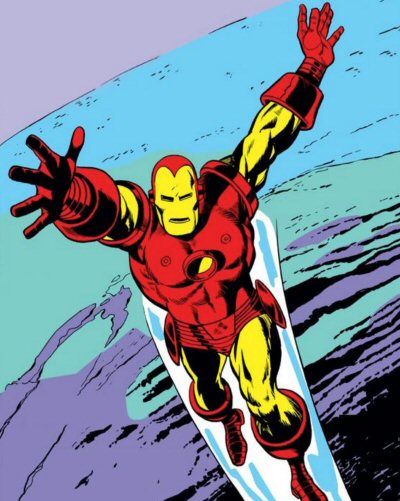
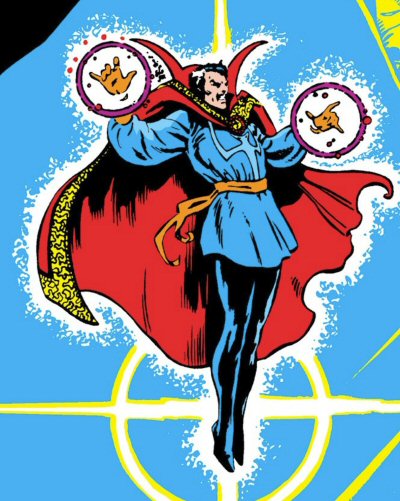
Iron Man and Doctor Strange are two really good examples of this. Older than most of the other superheroes, they were quite serious and dour in the early comics – shouldering heavy burdens. Although both remain utilitarian in their general ethics approach in the modern films (perhaps even moreso), they are now witty and relatable, played by charismatic actors like Robert Downey Jr. and Benedict Cumberbatch. By the way, check out my Glossary post for a list of the key philosophical concepts and related links on this site.
With creative control in Marvel’s own hands, they started adapting some of the more popular cross-over stories from the Chrome and Modern comic eras into the movies. In the comics, major cross-over events are Earth-shattering story lines that affect many or most of the superheroes simultaneously, often affecting the ongoing stories in their main comic titles. These became the anchors points for the various “phases” of the Marvel Cinematic Universe (MCU).
I find they have done a good job in modernizing and updating some of these events for the movies, such as the Civil War and Infinity Gauntlet story lines. But they have also botched a few in my view, like the Jane Foster stint as Thor and the Secret Invasion story line (both of which were excellent in the comics). I will be covering some of these major movie events in my various posts here.
But first, I would like to provide a primer on the rules of the Marvel Universe, so to speak, so that we have a shared understanding of the framework that normative ethics is being applied to. We begin with the beginning – the origin of the Multiverse.
The Multiverse
During my time collecting comics as a kid, both Marvel and DC were struggling under the weight of all their discordant story lines – especially those involving earlier/future time periods or time travel. They both found the same way out of this problem – the Multiverse, a collection of “alternate timelines” or Universes inspired by the many-world interpretation of quantum physics.
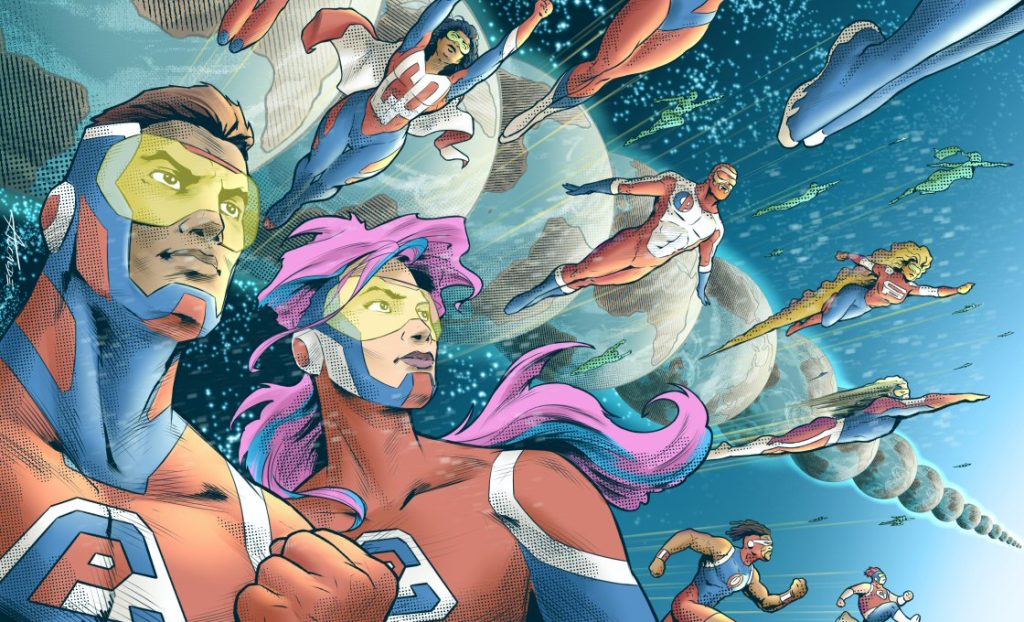
The alternate Universes that make up the Multiverse all share a common structure (e.g., each has its own Earth). Most of these Universes emerged from an existing one due to a major decision on the part of a superhero character (i.e., the comics creators). The main, or primary accepted timeline was known as Earth-0 in the DC universe (although it is more complicated than that for DC, see below), and Earth-616 in the Marvel universe. The later is apparently a bit of an inside gag from the Marvel writer David Thorpe, who originally wanted to call it Earth-666, but apparently agreed to remove a “nice round number of 50” at the urging of his editor. The universe of Earth-616 is also known as the “sacred timeline” by the Time Variance Authority (TVA) in the Marvel comics and movies/TV series, who are tasked with preserving the integrity of the Earth-616 timeline.
The Multiverse is a nifty way of integrating all the attempted reboots – both in the comics, and the various movies. The Marvel numbering system is complex and somewhat inconsistent. It was originally based on birth dates of the various creators, but it soon diverged. None of that really matters though – all that matters is keeping the numbers straight and consistent.
So, Earth-616 is the prime Marvel comic book universe. Earth-1610 was the attempted reboot under the Ultimate Marvel imprint in the early 2000s. That universe was dissolved in the 2015 Secret Wars cross-over event, but was recently “recreated” by one of its survivors on the mirror-image of Earth-616, Earth-6160, in the new Ultimates series from Marvel. And so on.
The movies fit into this framework as well. The 20th Century Fox X-Men and Deadpool movies share the same Earth-10005 universe (well, technically, the revised Earth-10005 after the Days of Future Past time-travel event in one of the X-Men movies). The Sam Raimi Spider-Man movies are Earth-96283. And most importantly, the Marvel Cinematic Universe (MCU, the movies made by Marvel directly) is Earth-199999. However, it is a wee bit more confusing, since the MCU opted to use the “Earth-616” label within its various movie and TV stories (i.e., it pretends to be the prime Marvel universe within its own stories, even though it differs from the prime Marvel comic universe). The way to keep that straight is the MCU calls itself “Earth-616” internally to its stories, but in all external media it is known as Earth-199999.
The Multiverse is also a convenient explanation for the various tie-ins and cross-overs with DC comics over the years (e.g., Earth-7642). And of course, our little old Universe – where Marvel superheroes aren’t real and only appear in comics and movies – also exists within the Multiverse, where it is known as Earth-1218. Some Marvel Multiverse characters, such as Deadpool, like to break the fourth wall in the comics and movies and speak directly to us poor souls on Earth-1218.
Our Earth-1218 universe differs from Earth-616 in some key ways – beyond lacking all the superheroes, of course. But it also has much in common – for example, everyone that exists in our universe is also present on Earth-616, performing the same role. This is why you will sometimes see cameos of public-domain figures like contemporary US Presidents in a given story, or the appearance of actual comic book writers (yes, comic book writers exist on Earth-616 – but there they popularize and dramatize the actual exploits of “real-life” superheroes). I supposed that means there would be another me on Earth-616, but this website would be rather differently worded!
There are numerous features to the Earth-616 reality that don’t exist here, beyond the superheroes. There are cities, countries, and whole continents that exist only there. These are often cleverly made up from recognizable place names to suggest their physical location – like “Latveria” (somewhere around Latvia/Lithuania in the Baltics), “Madripoor” (for Singapore/Indonesia), “Wakanda” (somewhere in East Africa, around Uganda/Rwanda), etc. And of course plenty of extra politicians, government agencies, publications and so on that don’t exist here (the later to presumably escape Earth-1218’s pesky copyright lawyers).
Origin of the Multiverse
Originally, there was no Multiverse. Well, of course, but I mean even in the Marvel or DC comic mythology.
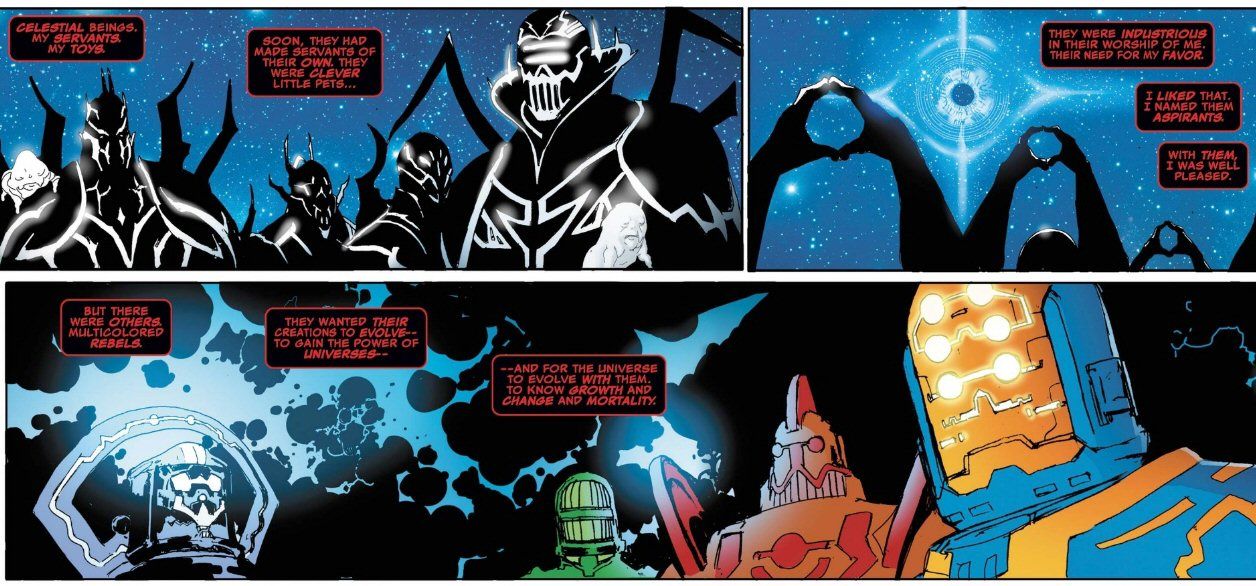
Although bits of this were seeded by Jack Kirby when he created the Eternals, the currently accepted Marvel creation myth was set by Al Ewing in his Ultimates 2 Vol 2 series (with art by Travel Foreman). It begins aeons ago, before our current universe (and Multiverse) with an entity known as the “First Firmament” – a singular, self-aware, eternal and unchanging universal consciousness. As explained in issue #6, 2017, for reasons of “unutterable loneliness”, it decided to experiment with creating life. It initially created entities it named “Aspirants” (who worshiped the First Firmament and sought its approval in all things) and then later “multicolored rebels” (who wanted their own creations to evolve – and thus know growth, change and death). These rebels are what we know as “Celestials“. From issue #6, 2017, by Ewing and Foreman:
You can guess what happened next:
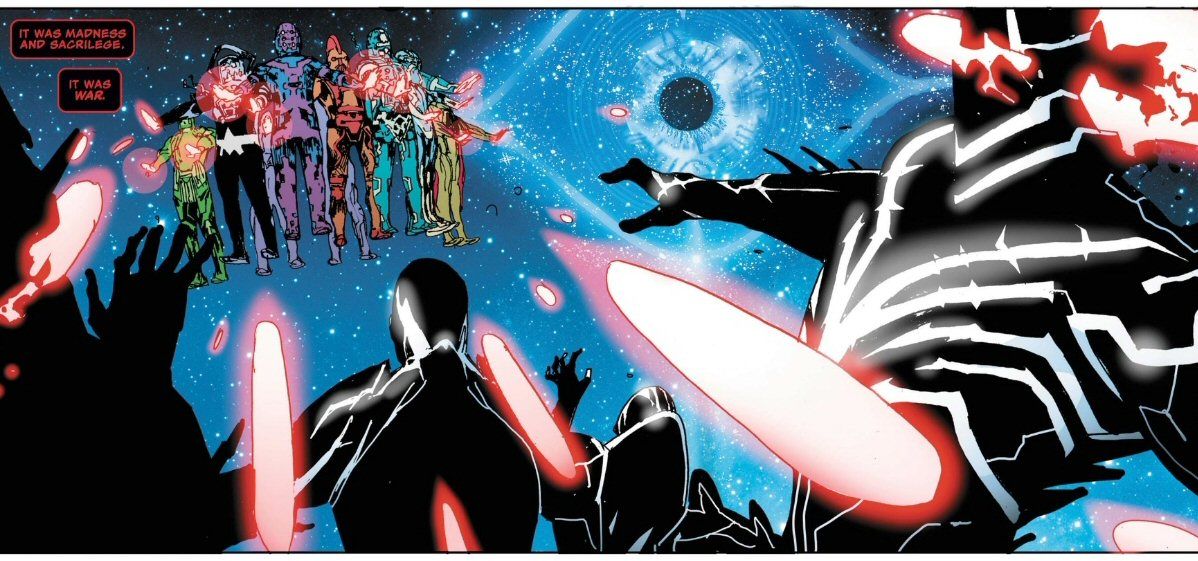
The inevitable war between the Celestials and the Aspirants led to the destruction of the First Cosmos, which shattered into pieces. These pieces then reformed into countless universes, making up first-ever Multiverse, known as the “Second Cosmos”. This first Multiverse grew and changed – and eventually died. But its collapse gave rise to a whole new and more complex next iteration, the “Third Cosmos”.
This is what kickstarted the Multiversal cycles in Marvel mythology. As each Multiverse grew and evolved, new features appeared that persisted into subsequent cycles. According to the Marvel Fandom resource, the Third Cosmos introduced narrative; the Fourth, archetypes; the Fifth, magic; and the Sixth, science. The premature destruction of the Sixth Cosmos lead to the Big Bang that we all know and love. And so, we here on Earth-1218 (and all the other Marvel universes) in the current Multiverse actually exist in the Seventh Cosmos.
Well, kinda. In that 2015 Secret Wars cross-over event (not to be confused with the two earlier Secret Wars cross-over events, sigh), some wrangling by a bunch of near-omnipotent beings known as the “Beyonders” led to the premature end of the Seventh Cosmos. The Beyonders were created by (and served) the Celestials in the Second Cosmos, and they dwelled “beyond” the Multiverse. The Celestials referred to them as “Omegas”, in opposition to the original “Alpha” (i.e., the First Firmament). There were some superhero survivors of that 2015 cataclysm, who were able to restart the Multiverse as an Eighth Cosmos. But since that new Multiverse was a direct continuation of where the Seventh Cosmos left off (with some small differences, like the persistent loss of Earth-1610), many people just consider it an extension of the Seventh Cosmos.
Origin of superhuman powers
It turns out that the Earth-616 universe is anomalous in the Multiverse – it has among the greatest number and diversity of superheroes of any universe in the Multiverse.
A major source of superhuman power came as a result of a dead Celestial that landed on Earth-616 billions of years ago, known as the “Progenitor“. Its power slowly decayed into the planet’s soil, water and air, giving rise to life – and eventually, additional unexpected powers and abilities to human life forms. The revived Progenitor plays a major role in one of the recent cross-over events that explicitly looked at normative ethics: the A.X.E.: Judgement Day event, where every human – and superhero – gets judged for their worthiness.
But additional Celestials came and visited Earth more recently, experimenting on our prehistoric ancestors (something they apparently did on many worlds and universes). These Celestial experiments resulted in the creation of two new races from the baseline humans – the virtually immortal “Eternals” (who like to keep things relatively unchanged) and the genetically unstable “Deviants“. It is interesting how the Celestials seemed to like to recreate the conditions of their own creation and conflict with the Aspirants in the First Firmament. Under recent retelling in the comics, the Deviants eventually seeped into the human gene pool, giving rise to some humans who possess an “X-gene” than can be activated under the right environmental conditions, turning them into superpowered “mutants” – like the X-Men.
Mind you, not all superheroes have superhuman powers – some have their abilities through hard work and training (e.g., Hawkeye), technology development (e.g., Iron Man), genetic manipulation (e.g., Captain Marvel originally, since retconned), magic (e.g., Doctor Strange), etc. I guess you could say necessity is the mother of invention, and the existence of superhuman powers gave rise to “normal” people finding ways to develop their own enhanced powers to compensate or match.
Note that while this history has been explained through the comics, the vast majority of the general population of Earth-616 is completely unaware of their Earth’s exceptionalism, and what caused superhuman powers to develop there.
DC Comics (Jump to Marvel Comics)
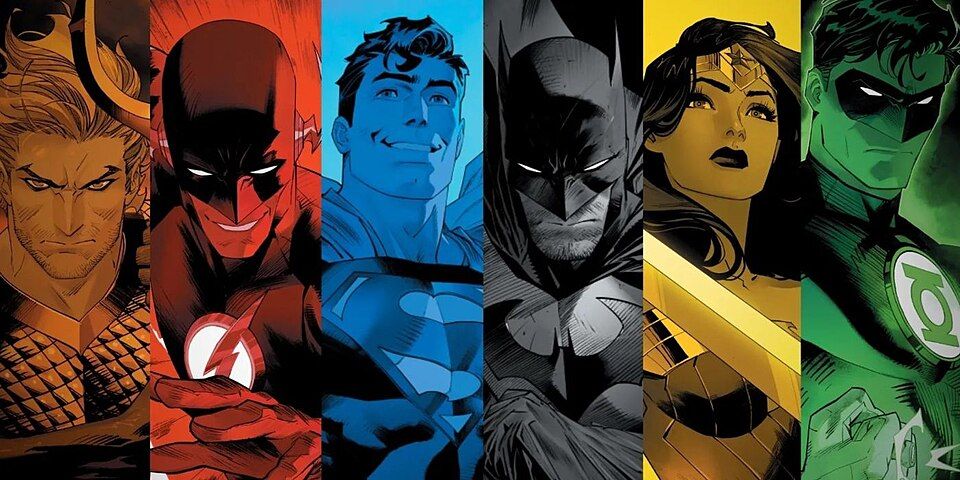
The Multiverse concept is a more complicated in DC comics (scroll back up to the intro of my Marvel entry for an explanation of the multiverse). You really need to look at different time periods (and the reboots and retcons that occurred during them) to understand how everything fits together.
Like Marvel, DC struggled over its early years in keeping all its divergent alternate universes straight. The concept of a Multiverse was loosely present in DC’s original “Golden Age“, which ran from 1938 to 1956 (whose characters and stories are later known as Earth-2). In 1956, the entire DC comic universe underwent a hard reboot, with new origin stories for all the characters (as comics entered into the so-called “Silver Age“, later known as Earth-1 stories).
But through the 1970s and early 1980s, continuity had become a real mess again and the need to do something to bring consistency back to DC was necessary. The situation wasn’t as dire for Marvel (given their superhero universe only started in 1961), and their solution was simply to explicitly number the alternate universes as distinct from the main comic universe (“Earth-616” in that case). But DC went a different route in 1985: collapsing all the divergent universes into a single canonical universe, taking bits and pieces from the different universes/stories over the years (now known Earth-0, or New Earth). The Crisis on Infinite Earths Event (1985-86) by Marv Wolfman and George Pérez was literally the first earth-shattering cross-over event for DC, and one that I remember from my time as a kid (even though I had a lesser familiarity with DC comics).
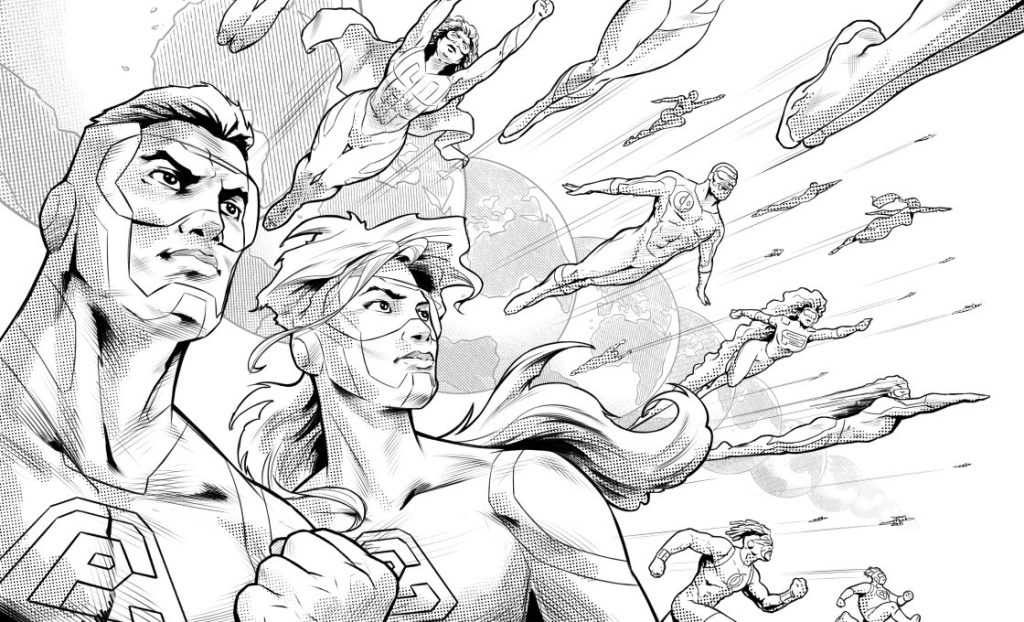
Crisis on Infinite Earths is thus considered the beginning of modern DC comic continuity. However, despite editorial attempts to enforce this single consistent universe, alternate universes started appearing almost immediately. This led to numerous retcons and additional “crises” over the years, trying to restore or course-correct the DC universe. Some notable examples were the first major post-Crisis revision Zero Hour in 1994 by Dan Jurgens and Jerry Ordway, and the Infinte Crisis event of 2005-06 written by Geoff Johns with various artists. The Infinite Crisis event sought to restore the DC Multiverse by re-acknowledging the pre-Crisis Multiverse stories. This gave rise to the One Year Later event and to the subsequent exploration of the missing year in the 52 event – which, effectively, became a “rebirth” of the DC Multiverse (consider it sort of a soft reboot).
Eventually, DC decided to just do a hard reboot and restore the whole DC Multiverse for a second time through the 2011 Flashpoint event, also written by Geoff Johns with art by Andy Kubert. This explicitly brought to an end the continuity of the post-Crisis/Pre-Flashpoint (1985-2011) DC Universe, and Earth-0 (aka New Earth) along with it, by establishing a new Prime Earth (not-helpfully also called Earth-0). This also gave rise to the New 52 event, with the relaunch of all the main DC titles. Note that for this reason, the DC Fandom wiki site had to break up a lot the character profiles into two sets of pages: “Current” (2011-present) and “Former” (1985-2011). Note the former can still be relevant however, for reasons I’ll explain below.
Jettisoning so much of DC’s history can’t have been popular. And so, not entirely surprising, they eventually tried to reclaim some of the post-Crisis/pre-Flashpoint history into the current DC Multiverse with 2016’s DC Rebirth event (again by Geoff Johns and various artists). Essentially, this “rebirth” (another soft reboot) returned some of the characters to their earlier state, while updating the backstories of others for new readers (in some cases, it effectively merged the New Earth and Prime Earth histories for some characters). The intent was to “synchronize and harmonize the Post-Flashpoint continuity and the Post-Crisis continuity”, according to the DC Fandom site.
Some significant events since the DC Rebirth are the Doomsday Clock event in 2019, again by Geoff Johns and Gary Frank, and the Dark Nights: Death Metal event in 2020 by Scott Snyder and Greg Capullo. I gather from commentary online that this latter event in particular caused some confusion about continuity (again).
But if that wasn’t enough, another significant twist was the Infinite Frontier era in 2021, by Joshua Williamson, Scott Snyder, and Xermanico. Rather than an across-the-board reboot,Infinite Frontier attempted to keep the current (multiply rebooted) stories canon, while also making many of the pre-Flashpoint storylines canon too. This have-your-cake-and-eat-it-too approach was supposed to give creators more flexibility in telling their stories (by picking and choosing the back stories that suited them), but of course further muddied continuity. But also in this new retelling, Earth-0 has been supplemented with two “Multiversal centers” – Earth Omega and Elseworld (aka Alpha World, aka the Absolute Universe). As an aside, consistent nomenclature has never been a strength of DCs. 😉
This Infinite Frontier era led to the Dawn of DC comic rebranding exercise of 2023-24, which included some of DC’s ongoing series as well as many new ones. A number of sub-events culminated in the Absolute Power event of 2024, by Nicole Maines, Mark Waid, and John Ridley. This significant event in turn led to DC All In, a rebranding initiative which saw the reformation of the Justice League (now comprising every superhero on Earth 0). But more significantly (to me), it also introduced the Absolute Universe line, created by Scott Snyder, featuring a brand new reimagined DC universe set in today’s world.
The Absolute Universe shares many similarities to Earth 0, but instead of running predominantly on hope (as embodied by Superman‘s alpha energy in that main DC universe), it instead runs mainly on despair (as embodied by Darkseid‘s omega energy). This has been a chance to reimagine the origins of all the major heroes, making them all underdogs now in a darker universe. Key positive aspects of their upbringings have been removed, while keeping their core personalities and characters intact. Main titles that launched in 2024 are Absolute Batman by Scott Snyder and by Nick Dragotta (where Batman’s wealth has been stripped), Absolute Wonder Woman by Kelly Thompson and Hayden Sherman (where Diana’s happy Amazonian upbringing has been stripped) and Absolute Superman by Jason Aaron and Rafa Sandoval (where Superman’s upbringing with the Kents has been stripped). These titles have had incredible critical and commercial success for DC, being some of the highest selling comics in 2024-25. I suspect the clean, more mature, and unencumbered new origins (combined with top talent) have a lot to do with the Absolute Universe’s success.
In the latest attempt to clean everything up, DC is currently publishing the New History of the DC Universe (2025) by Mark Waid and various artists. As this review of issue #2 in AIPT Comics points out, this involves introducing additional retcons and moving around previous events to make everything “fit” for this new consolidated history. Like AIPT, I think simply acknowledging the inconsistencies over time (as I have tried to do above) is a better way to go rather than introduce new retcons – as this latest history will inevitably all be undone in the next major crisis-level event for DC.
For all the lack-of-continuity reasons above, I don’t plan to do full character overviews for DC comic characters here. Instead, I will focus on the ethics of individual characters in specific series, driven by a given creative team (and try to place them within the larger character context).
More reading
Many of the story links above are from the Fandom comic wiki websites for Marvel and DC, which are the best resource for Marvel and DC comic book story lines and character backgrounds – not to mention details on individual issues. You can also check out Wikipedia for entries on the major characters and events, but the Fandom wikis are typically more consistent experiences.
That said, I recommend you start with my individual background ethics posts for the major comic characters and teams (available from my Home page), where they exist. The in-story continuity of the Fandom sites is going to be confusing without some historical context for all the retconning that has taken place.
To learn more about comic books and their history, check out my Comics page. Otherwise, my Ethics 101 page will help you understand the moral philosophy terms I will be using in my individual posts about various characters and story lines.
See my Glossary post for a list of the key philosophical concepts and related links on this site.